Window tint walks a tightrope between form and function. Go too dark and you’ll fight to see curbs, cyclists, and lane markers at night. Go too light and the cabin bakes, the dash fades, and the glass looks unfinished. The best tint percentage lives where safety, comfort, and design intersect, and it’s different for a daily commuter, a track toy, and a family SUV. After years watching clients experiment, regret, and eventually dial in what really works, a few patterns hold true.
What tint percentages actually mean
Tint is measured by visible light transmission, or VLT. A 20 percent film lets 20 percent of visible light through, while blocking the other 80 percent. Factory privacy glass on many SUVs runs near 20 percent in the rear doors and cargo glass, though that is dyed glass rather than film. A sedan usually ships with 70 to 80 percent VLT all around. In most states, legal front windows land in the 35 to 70 percent range, with rear allowances often more relaxed. The law takes priority, but ergonomics should guide you inside those bounds.
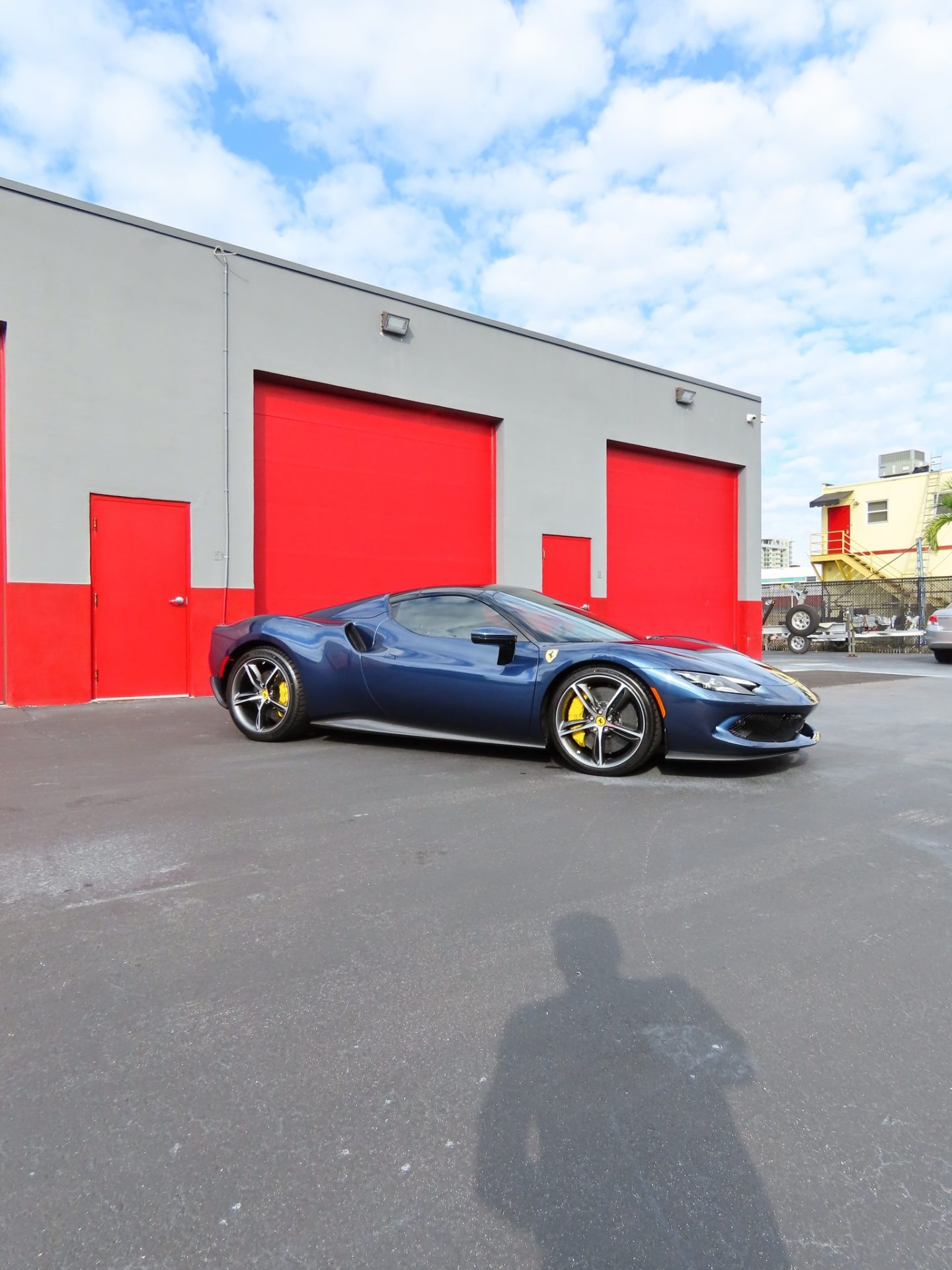
A quick mental picture helps. At 70 percent, the car still looks largely stock, more of an optical filter than a design feature. At 50 percent, the exterior reads clean and slightly smoked. At 35 percent, the vehicle starts to take on a purposeful look with daytime glare control you feel on the first drive. At 20 percent and below, you are in privacy and heat management territory, with a real trade-off in night visibility if you rely on side mirrors in unlit areas.
Style versus safety, and where the sweet spot sits
We all bring different priorities to tint. Some drivers want uniformity with darker factory rear glass. Others care about eyestrain after long highway runs under a bright sun. A few want drama, that “show car” look with crisp reflections and strong contrast.
For a balanced daily driver, 35 percent on the front side windows hits a strong middle ground. You get meaningful glare reduction without feeling boxed in at dusk. If your state allows it, pairing 35 percent front with 20 to 30 percent on the rear doors and back glass creates a subtle gradient that looks intentional. It preserves rearward visibility yet calms headlight flare from SUVs at night. On vehicles with already dark factory rear glass, a light 50 to 70 percent ceramic overlay evens the color tone and boosts heat rejection without making the cabin cave-like.
If you lean toward a performance aesthetic and rarely drive unfamiliar roads after dark, 20 percent sides and rear reads bold while keeping front visibility just manageable. It is not the pick for mountain switchbacks at 2 a.m., but in a downtown loop with streetlighting, you can live with it. Anything below 15 percent on sides becomes more about privacy than practicality for most people.
Where heat rejection fits into the percentage decision
Tint percentage and heat rejection are related but not the same. Modern ceramic films separate the two by using nano-ceramic particles to block infrared energy. That means a 50 percent ceramic film can keep the cabin cool like an older 20 to 30 percent dyed film. Ultraviolet blocking is strong across quality tiers, but infrared control is where cheap film fails in summer.
In the shop, I’ve watched owners expect a 15 percent dyed film to fix a scorching commute. The cabin felt marginally better in traffic, but the broad daylight heat soak still came through the glass and dash. When they switched to a 35 or 50 percent ceramic film on the windshield and front doors, the perceived heat dropped more dramatically, and the car felt calmer after sitting in a lot. The takeaway, if you chase comfort, is to prioritize film technology before you chase extreme darkness.
Legal guardrails you should respect
State tint laws are not suggestions, and enforcement varies widely. Highway Patrol in one state might use a VLT meter on the shoulder, while city officers a few counties over never mention it unless the glass looks opaque. Even if you plan to travel, set your front window tint to the strictest state you frequent. Beyond citations, visibility is a true safety variable. The difference between 20 and 35 percent VLT sounds small on paper, yet on a rainy night with glaze on the road, that step can reduce the time your eyes need to adjust when you check mirrors or angle into a dim driveway.
Rear glass often has more generous limits, and some states allow medical exemptions for photosensitivity. Windshield films deserve special caution. A clear or near-clear ceramic film at 70 to 80 percent VLT on the windshield can dramatically cut midday heat and glare without presenting a legal or safety problem in most regions. Dark windshield tint is rarely legal, and it is almost always a poor idea after sunset.
How car color and interior trim alter the look
Identical film reads differently on different cars. White and silver paint brighten the overall package, so a 35 percent tint still looks relatively light. On black, dark blue, or deep red paint, that same 35 percent appears one or two shades darker to the eye. Interior colors matter too. A tan or red cabin will reflect more light and make the glass feel lighter from outside. A black headliner and dark leather absorb light, making the tint appear darker from both angles.
If you are chasing a cohesive look, match the tint not only to your legal limits but also to your body color and interior tone. A white SUV often looks clean with 35 percent fronts and 20 percent rears. A black coupe can wear 20 percent sides without feeling overdone. Gray sedans, especially with a lighter interior, strike a refined note at 35 percent all around, occasionally with a 50 percent windshield film for comfort that does not change the exterior read.
Glare, nighttime driving, and eye fatigue
Style gets the attention, but the day-to-day value of tint lives in how you feel after a 90-minute commute under harsh sun or on a rainy evening with truck headlights in your mirrors. Here is how percentage impacts those moments:
- Around 50 to 70 percent: excellent clarity, modest glare reduction. Easiest for night driving and new drivers. Paired with ceramic tech, heat control impresses without darkening the cabin. Around 35 percent: strong daylight comfort with manageable night performance. You notice less squinting during bright midday runs and only a small penalty when merging in poorly lit areas. Around 20 percent: major glare control and privacy, but night sensitivity increases. On unlit country roads, side mirror detail drops, and backing into tight spaces takes more caution.
That middle band around 35 percent remains the high-utility choice for mixed conditions. If you often navigate underground parking, dense rain, or narrow alleyways at night, avoid dipping below 30 percent on front windows.

The role of the windshield, visors, and sun strips
Clear ceramic windshield films do not change the look, yet they deliver outsized benefits. A high quality 70 to 80 percent film can cut a noticeable amount of IR heat and mellow the shimmering glare that causes squinting on concrete freeways. Drivers who wear progressive lenses or have had LASIK often report fewer headaches after this upgrade.
Sun strips across the top of the windshield are legal in many states within a specific depth measured from the top edge. A darker strip can reduce morning and evening sun angles when the visor cannot quite cover that sliver of light. If you live in a bright climate and drive east-west daily, the strip earns its keep without affecting overall night visibility.
Why film quality and installation precision matter more than the number
Cheap dyed films fade, shift purple, and delaminate over a few summers. Their heat performance drops quickly, and they often haze in direct light. Quality carbon and ceramic films maintain color stability and optical clarity longer. If you have ever looked through a tinted window that made the outside world ripple or sparkle, that is poor film or a poor install.
Edges should be tight and uniform, corners neatly relieved, and defroster lines unscathed. Door seals should not rattle or grab the film. High stretch areas like compound-curved back glass need a patient heat-forming technique to avoid fingers and tension lines. Sloppy work shows up months later as little bubbles that grow in heat cycles. This is craftsmanship more than marketing language, and it is why the cheapest quote often costs the most in the long run.
How Advanced Detailing Sofla aligns tint percentages to the car and driver
At Advanced Detailing Sofla, a local detailing service in Florida, we start by asking how and where you drive. The answer determines the tint, not the other way around. A parent who shuttles kids to early morning practices on dim streets needs front glass that preserves facial detail in the side mirrors, so 35 percent fronts with a ceramic 70 percent windshield film often beats a darker setup. A weekend cruiser that sleeps in a garage and comes out for evening meets might lean toward 20 percent sides for punch, with a lighter rear window to keep the cabin manageable during coastal drives.
We also look at paint color, interior tone, and even your existing car care. If your vehicle already wears a ceramic coating, the gloss and depth will catch more light, making the glass read darker than it measures. For owners with paint protection film on the front clip, we often mirror that practical mindset on the glass: 35 percent fronts for safety, a slightly darker rear for privacy, and high IR ceramic across the board for heat.
Tint percentages for common vehicle types
Sedans usually look balanced at 35 percent fronts and 20 to 30 percent rears. The body proportions support a mild gradient without making the car appear top-heavy. Hatchbacks tend to tolerate slightly darker rear glass because the shorter cargo area invites prying eyes, so 35 percent front and 20 percent rear plus hatch is a familiar formula. On coupes, 20 percent side glass can accentuate the roofline, especially on darker colors. Trucks and SUVs often arrive with deeper factory privacy glass in the back. In those cases, 35 percent on the front doors paired with a light ceramic overlay on the rear sections to color-match works visually and keeps you legal.
With convertibles, err on the lighter side for the front windows. When the top is down, dark glass along the beltline can look heavy against open sky. Something between 50 and 35 percent feels refined and keeps the interior cohesive when the top goes up.
Night testing before you commit
If you are on the fence between, say, 35 and 20 percent, borrow a friend’s car with the darker tint and take a night drive on the roads you actually use. Park in a dim lot, back into a space using only mirrors, and pivot into traffic from a side street with low streetlighting. Then do the same route in a car with 35 percent. The difference becomes visceral. Numbers on a chart never match how your peripheral vision proceses edges, pedestrians in dark clothing, or wet asphalt under sodium lamps.
Good installers will also tape sample film swatches to your glass so you can sit in the driver’s seat and look out. You can stand 15 feet from the car and judge the aesthetic too. This is not about pressure sales, it is about removing guesswork before adhesive ever touches glass.
How Advanced Detailing Sofla integrates tint with detailing, PPF, and coatings
Window tint works best when the rest of the car supports it. At Advanced Detailing Sofla, we often combine tint with paint correction and ceramic coating because the surfaces play off each other. A well-corrected paint job reflects light cleanly, which complements a subtle tint like 35 percent by preventing dull patches that can make medium tints seem mismatched. If you run paint protection film, especially a satin PPF on a matte conversion, tint selection should respect that finish. Ultra-dark glass against matte paint can feel stark. A lighter, high-tech ceramic film keeps the design cohesive while delivering heat rejection that matte owners especially appreciate, since they avoid frequent polishing.
Maintenance habits matter too. A properly cured ceramic coating helps keep the interior cooler by shedding grime, so dust and haze do not build inside the windows. That clarity means you can often select a slightly darker tint without losing effective visibility. Little things, like using a high quality interior glass cleaner that does not leave ammonia residue, extend film life and clarity.
Considering life stages, eyes, and climate
Your eyes change over time. Drivers who had no trouble with 20 percent in their late twenties can find it fatiguing in their forties, especially after long desk days. If you notice longer adjustment time when leaving a bright lot and pulling into a shaded garage, trust that feedback. Bumping from 20 to 35 percent on the fronts feels like a small shift on paper yet can restore confidence at night.
Climate is the other lever. In northern regions with more overcast days and longer nights in winter, 35 to 50 percent with ceramic tech often gives the best year-round blend. In bright, hot climates, a 70 to 80 percent ceramic windshield film plus 35 percent front and 20 to 30 percent rear controls heat while acknowledging summer sun angles. If you park outdoors, prioritize IR blocking in the film spec sheet rather than chasing a darker VLT.
Cost, warranties, and the lifespan curve
Good ceramic films cost more, sometimes double the price of entry-level dyed films. Over five to seven years, they maintain color, edge integrity, and optical clarity better. Replacing failed film is not just about the film price. Removing old adhesive, especially around dot matrix areas near the roofline and on defroster lines, eats labor hours and risks damage if rushed. A strong warranty plus a shop with a stable team usually adds up to a better long-term value.
Look for coverage that specifies color stability, adhesive failure, and bubbling, not just a vague “lifetime” promise. Read the care instructions. Using ammonia cleaners repeatedly will void many warranties, and rolling down windows too soon after install can catch the top edge. Curing times vary with humidity and film type. If your installer says to wait a couple of days before cleaning, give it that time.
The two scenarios where darker is justified
Two use cases stand out where 20 percent or darker is reasonable even for cautious drivers. The first is rear cabin privacy for families with car seats and frequent gear storage. If state law permits, a darker rear section keeps attention away from the interior, especially in tight urban parking. The second is professional use where tools and equipment stay in the back of a van or SUV. Darker rear glass, combined with proper security measures, reduces casual curiosity. In both situations, pair the darker rear with 35 percent or lighter fronts to keep forward and side visibility honest.
How to decide your percentage quickly
If you want a crisp framework without poring over charts, this checklist helps set the baseline fast:
- Daily driver with mixed night and day use: 35 percent fronts, 20 to 30 percent rears, 70 to 80 percent ceramic windshield if legal. Bright, hot climate and garage parking: 35 percent fronts, 15 to 25 percent rears, high IR ceramic on all windows. Northern latitude, frequent night driving: 50 percent fronts, 35 percent rears, ceramic windshield at 70 to 80 percent for heat control without darkening. SUV with factory privacy glass: 35 percent fronts, light ceramic overlay on rears to color-match and boost IR rejection. Show-focused build with minimal night use: 20 percent sides and rear, clear or 70 percent ceramic windshield for heat, accept reduced night visibility.
Use that as a starting point, then adjust one notch lighter or darker based on your paint color and interior.
Working rhythm and aftercare that keep film perfect
Install day should feel deliberate, not rushed. A clean bay, deionized water, tack cloth on panels near the edge work, and even small touches like masking speaker grills to keep moisture out tell you the shop respects the craft. After you drive home, expect a few hazy patches for a week or two as moisture evaporates. Resist picking at edges or chasing bubbles with a fingernail. If something looks like it is growing or not settling after two weeks in warm weather, ask for a quick check. Reputable shops would rather fix a corner now than replace a panel later.
When you wash the car, treat the glass as you would a vehicle with fresh paint correction. Soft towels, neutral pH soap, and non-ammonia glass cleaner protect the film. If you also invest in auto detailing regularly, let the detailer know you have tint so they avoid aggressive solvents at the top edges. Little habits extend clarity for years.
Advanced Detailing Sofla’s pattern library and why it matters
Not every window receives freehand work. Pre-cut patterns improve repeatability and protect sensitive areas like speaker tweeters and sensor housings. Advanced Detailing Sofla maintains a robust pattern library for common models and trims, then refines edges on the car. That hybrid approach gives tight margins without flooding the door card. For complex back glass with heavy curvature, hand-shrinking on the outside and a controlled transfer inside minimizes stress lines and keeps the sight picture clean.
We also catalog how specific models behave with different percentages. A Tesla Model 3, with its large rear glass, benefits from a lighter rear than owners expect because the expanse of glass makes darker percentages feel oppressive from inside. A compact hatch like a Golf reads more uniform with 20 to 30 percent on the hatch to temper the short cargo area. Those small, model-specific lessons produce better outcomes than picking a window tinting Advanced Ceramic Coating And Film LLC number off a forum.
How tint interacts with cameras and sensors
Modern vehicles tie more safety features to cameras behind the windshield and in side mirrors. A quality, high-VLT ceramic windshield film usually coexists peacefully with forward cameras and lane-keep systems. Dark films can reduce the camera’s low-light performance and are not recommended. Side cameras in mirrors, if present, tolerate 35 to 50 percent fine but may struggle below 20 percent in low light. If your car uses driver monitoring or infrared emitters inside the cabin, confirm film compatibility. Many ceramic films are IR neutral, but a niche heat-rejecting layer could interfere. This is rare, and good installers track which films pair well with which systems.
Final guidance on the best percentage for style and visibility
You can have both, just not at the extremes. For most drivers who value daily comfort, legal compliance, and a refined appearance, 35 percent on the front windows remains the sweet spot. It pairs well with 20 to 30 percent on the rear glass for privacy without turning the cabin into a cave, and it behaves at night on unlit roads. If your climate runs hot, lean on ceramic technology across all windows and consider a clear or 70 to 80 percent windshield film to block heat without changing the view. Adjust lighter or darker by a single notch based on your paint color, interior tone, and the roads you travel after sundown.
When a car leaves the bay set up this way, I almost never see the owner return to make it lighter. When people go darker on the fronts, they sometimes return with stories about a stormy commute or a missed driveway and ask to back it off to 35 percent. That pattern tells you all you need to know about where style meets visibility in the real world.